// notes from the crate
Crate Digging in 2026: How to Find Music Nobody Else Plays
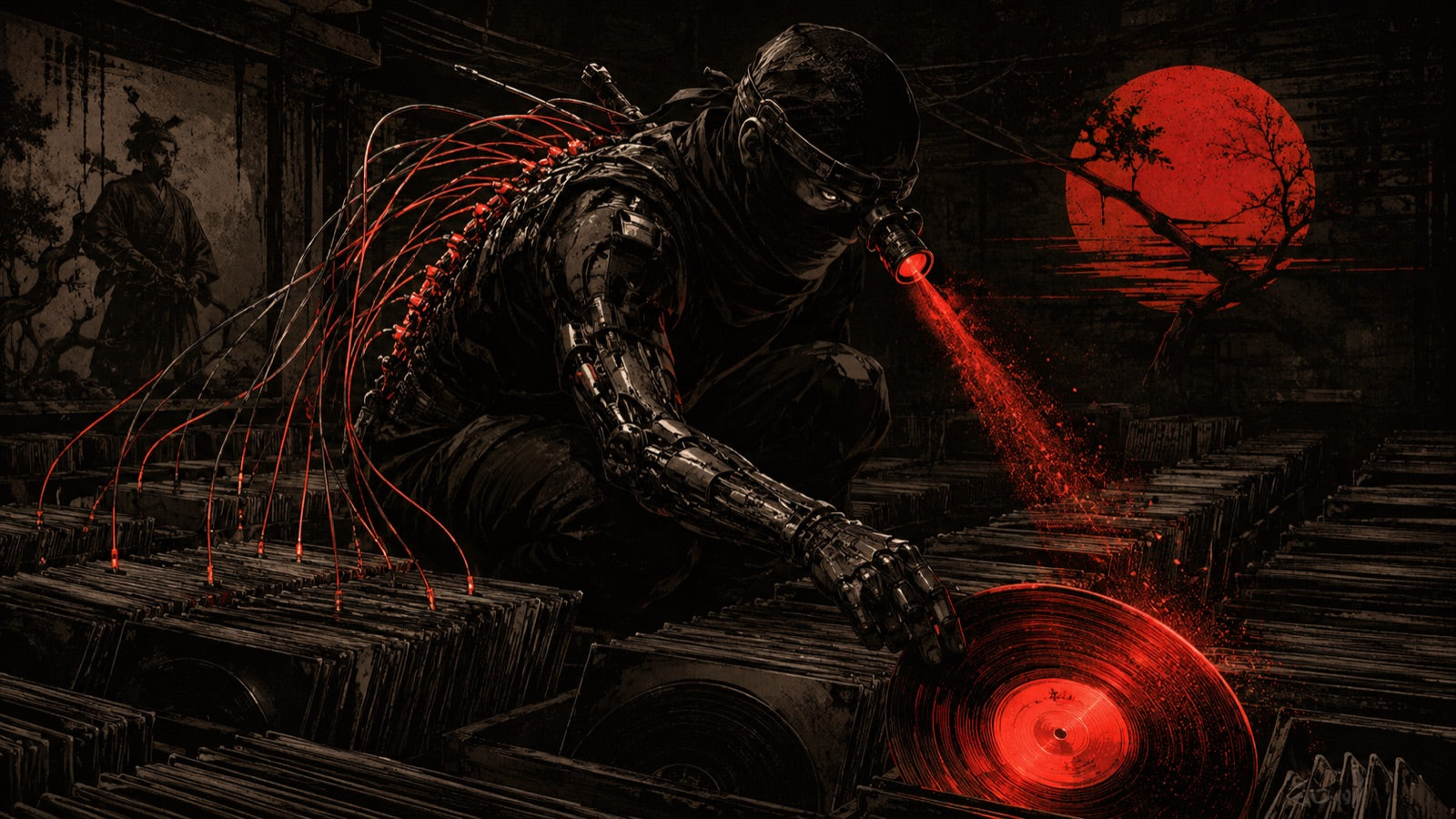
Every recommendation engine is optimised for the average listener, and the average listener is exactly who you don't want to sound like. Crate digging, the slow craft of pulling records nobody else plays, used to mean dust, basements and back pain. In 2026 the crates are bigger than ever, most of them are digital, and almost nobody digs them properly. This is the method.
What crate digging actually means now
Digging was never about vinyl for its own sake. It is a filter inversion: instead of asking "what is everyone listening to?", you ask "what has everyone missed?" Streaming platforms cannot answer that question. Their entire economics push the catalogue's head, not its tail. Roughly 80% of streams go to under 1% of tracks. The tail is where the sets that get you booked live.
Start with the graveyards, not the charts
The best digital crates are the ones with no recommendation layer at all:
- Netlabels on archive.org. Tens of thousands of Creative Commons releases from the 2000s netlabel wave: dub techno, IDM, lo-fi house, breakcore. Zero algorithm, zero play counts that matter. Sort by "least downloaded" and start listening.
- Bandcamp's back pages. Skip the front page, go to a micro-genre tag, sort by oldest, and dig the releases with two sales.
- Discogs low-ownership pressings. Releases owned by fewer than 50 collectors are effectively invisible to the internet. That is a feature.
- Dollar bins, still. The physical dollar bin remains the highest-variance crate on earth. Library music, private press gospel, regional disco. Bring a portable turntable or a phone with a good ear.
Deep cuts beat rare records
A common beginner mistake is chasing rare instead of chasing deep. A deep cut is a track from a known artist that circulation forgot. The B2 on the third 12", the album interlude that outclasses the single. Deep cuts are cheap, findable and devastating in a set, because the room half-recognises the artist and has never heard the track. Work through full discographies, not compilations. Compilations are somebody else's digging.
Dig by sound, not by tags
Genre tags are the least reliable metadata in music. "Deep house" on one platform is "lo-fi" on another and "electronica" on a third. The way out is searching by the audio itself: acoustic similarity. Take one track you love, extract what it actually does (groove, energy, mood, texture) and find records that behave the same way regardless of what anyone tagged them.
That is literally what the Searcherbox engine does: paste a link or drop a file, and it matches against a catalogue of underground and netlabel records by sound. Flip on Obscurity Mode and it actively demotes anything with big play counts, so the results skew toward what nobody plays. (More on how the ranking works in our FAQ.)
A weekly digging routine that compounds
- One hour, one crate. Pick a single source, one netlabel, one Discogs label page, one bin, and exhaust it. Depth beats breadth.
- Log everything. A track you skip today is a track you re-discover in three years. Keep a dig log with a one-line note on the sound.
- Chain from every keeper. Each find is a new seed: same engineer, same studio, same year, same city. One record properly chained becomes forty.
- Re-rank for obscurity. Once a month, take your best find and run it through a similarity search with popularity inverted. That is how you get from "good taste" to "where did you even find this?"
The point
Everyone has access to the same hundred million tracks. Selection is the only scarce thing left. Digging is not nostalgia. It is a competitive advantage that algorithms are structurally incapable of copying, because the moment they recommend something, it stops being dug.
Next in the series: how to spot and value rare vinyl and where DJs actually get their music.